
The country that made every ride free
April 9, 2026 · 2 min read
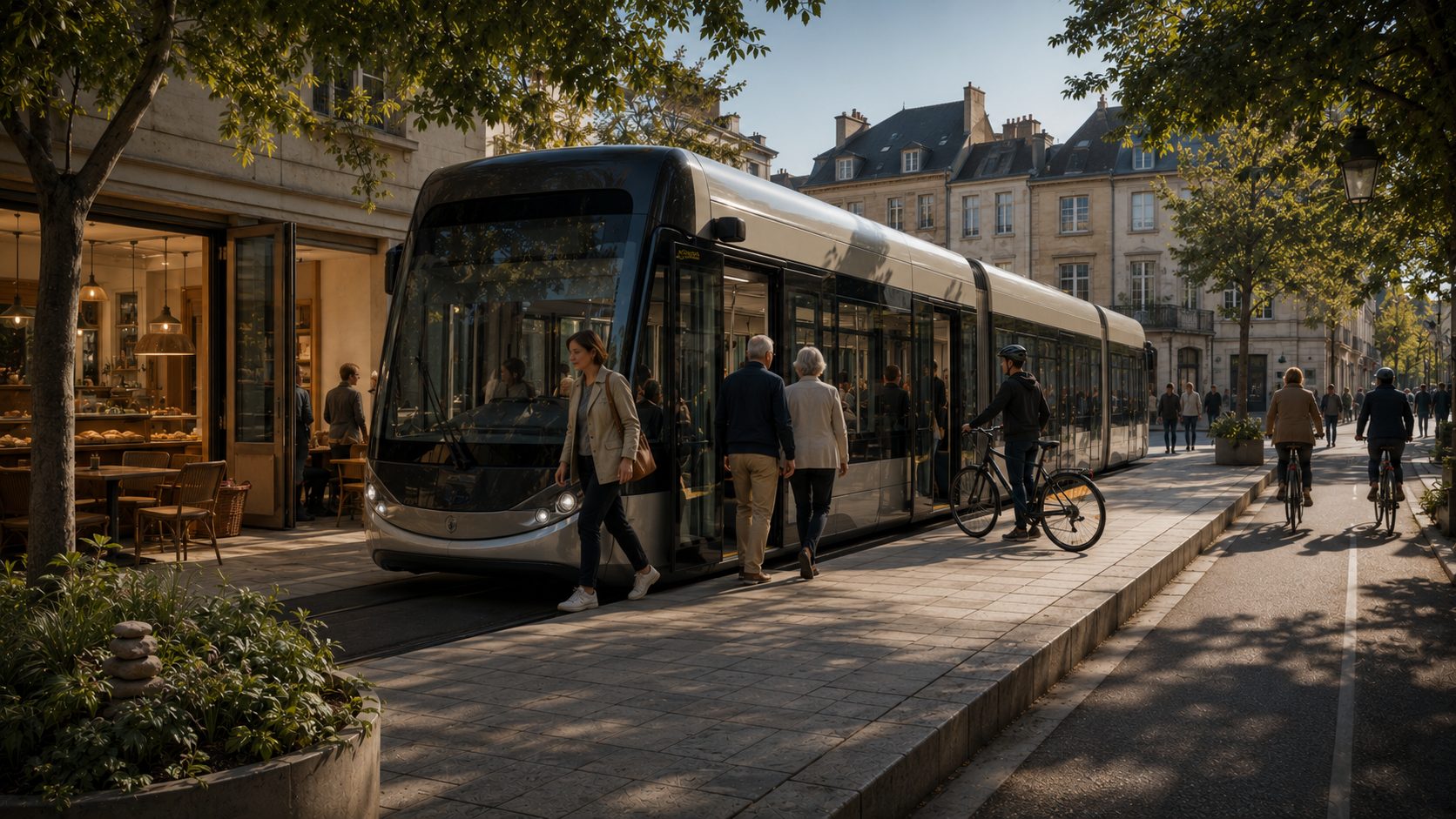
In March 2020, Luxembourg became the first country in the world to make public transport free nationwide. Every bus, train and tram, for residents and visitors alike, at no charge. If price were the main thing standing between people and the bus, this was the experiment that would show it.
The early research is careful, and worth reading carefully. Economists estimate that road-transport emissions came in 4.5 to 7.4 percent lower than they would have been without the change, a real effect from a single national decision. At the same time, the national census showed car commuting still dominant among residents. Those census figures come with two large caveats: they count residents only, and they were collected in a pandemic year. So the record so far opens a question rather than closing one.
4.5 to 7.4%
The estimated reduction in road-transport CO2 after fares went to zero nationwide.
Source: Eibinger and Fernando, forthcoming
What the experiment teaches
Price is one condition of the journey, and Luxembourg has settled it. What remains is everything the fare never touched: the schedule that does or does not fit a shift, the connection that does or does not hold, the last kilometer to the site, the parking space waiting at the workplace, and the long cross-border legs that roughly half the country's workforce travels each day, largely beyond the reach of a resident census.
That remainder is the interesting part, because most of it belongs to someone. The schedule belongs to the operator. The parking, the arrival, the first weeks of a new hire's routine belong to the employer. In a country where the ticket is already free, the conditions that still decide the commute are unusually concentrated in employers' hands.
What to apply
If your people work in Luxembourg, the cheapest part of their journey is already handled for you. The useful question is which of the remaining conditions are yours: the shuttle timing, the parking arrangement, the connection between the station and the site, the way a new colleague's first commute gets shaped.
The limit
This evidence is young. The emissions figures are estimates, the census year was exceptional, and cross-border commuters are not yet well measured. The picture will sharpen as post-pandemic data accumulates.
Sources: Eibinger and Fernando, Environmental and Resource Economics, forthcoming; STATEC census analysis RP 2021 N°18.